From Tears to Triumph: The Complete Recovery Journey
An ACL injury can turn your world upside down in an instant. Whether it happened mid-stride on the field, coming down awkwardly from a jump, or during a casual game at the park, the result is the same — a sharp pain, a pop you'll never forget, and a flood of uncertainty about what comes next.
But here's the truth: while an ACL tear is a serious setback, it's not the end of your story. In fact, for many of our clients here in North Canton and Twinsburg, it marks the beginning of a new chapter — one defined by strength, resilience, and a comeback that's stronger than the injury itself.
Understanding the ACL and Why It Matters
The ACL (anterior cruciate ligament) is one of the key ligaments that stabilizes your knee. It connects the thigh bone (femur) to the shinbone (tibia), helping to control forward movement and rotation. It's vital in sports and everyday activities that involve sudden stops, pivoting, or changing direction. Unfortunately, this also makes the ACL particularly vulnerable — especially in athletes, weekend warriors, and active adults.
The Immediate Aftermath: What Happens Post-Injury
In the moments after an ACL tear, there's usually swelling, instability, and pain. But what surprises most people isn't the initial injury — it's the emotional rollercoaster that follows. You might feel frustration, confusion, or even grief for the lifestyle you've temporarily lost. Here's what we tell every patient: your knee is injured, not your future.
Surgery vs. Non-Surgical Options: What's Right for You?
Not every ACL tear requires surgery. Some partial tears may respond well to conservative treatment. However, if you're young, active, or hoping to return to high-impact sports, surgery is often the recommended route. At our clinic, we work closely with orthopedic surgeons and help guide clients through both prehab and post-op rehab.
The 4 Phases of ACL Recovery
1. Protection and Healing (Weeks 0–2)
- ✓Focus: Reducing swelling, managing pain, and restoring knee motion
- ✓You'll likely be on crutches, possibly with a brace, with gentle mobility exercises
- ✓Key Milestones: Extension to 0 degrees, quadriceps activation
2. Building Strength and Stability (Weeks 3–12)
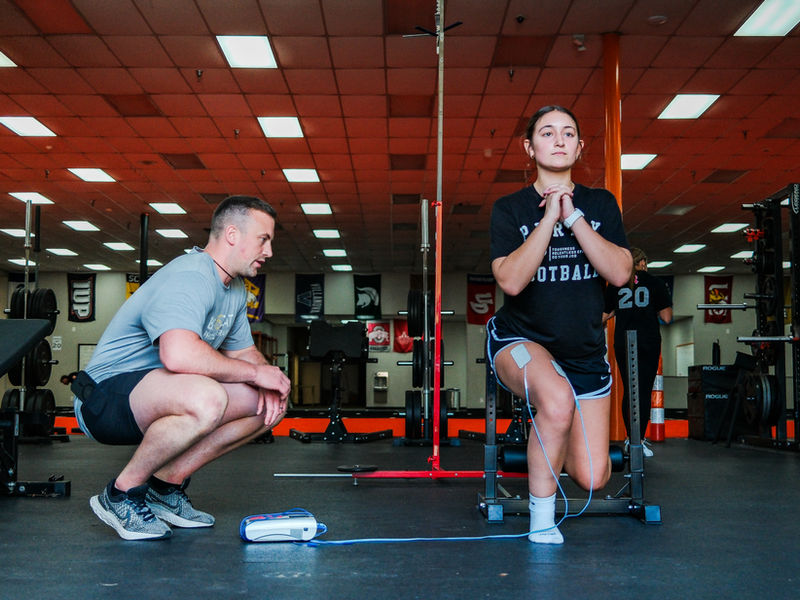
- ✓Focus: Strengthening the quadriceps, hamstrings, glutes, and core
- ✓This phase lays the foundation for everything that comes next
- ✓Key Milestones: Regaining balance, walking without limping, climbing stairs
3. Dynamic Movement and Return to Activity (Months 3–6)
- ✓Focus: Plyometrics, agility drills, and functional training
- ✓This is where you start feeling like "yourself" again — but caution is key
- ✓Key Milestones: Single-leg control, jumping, change of direction
4. Return to Sport or Full Function (Months 6–9+)
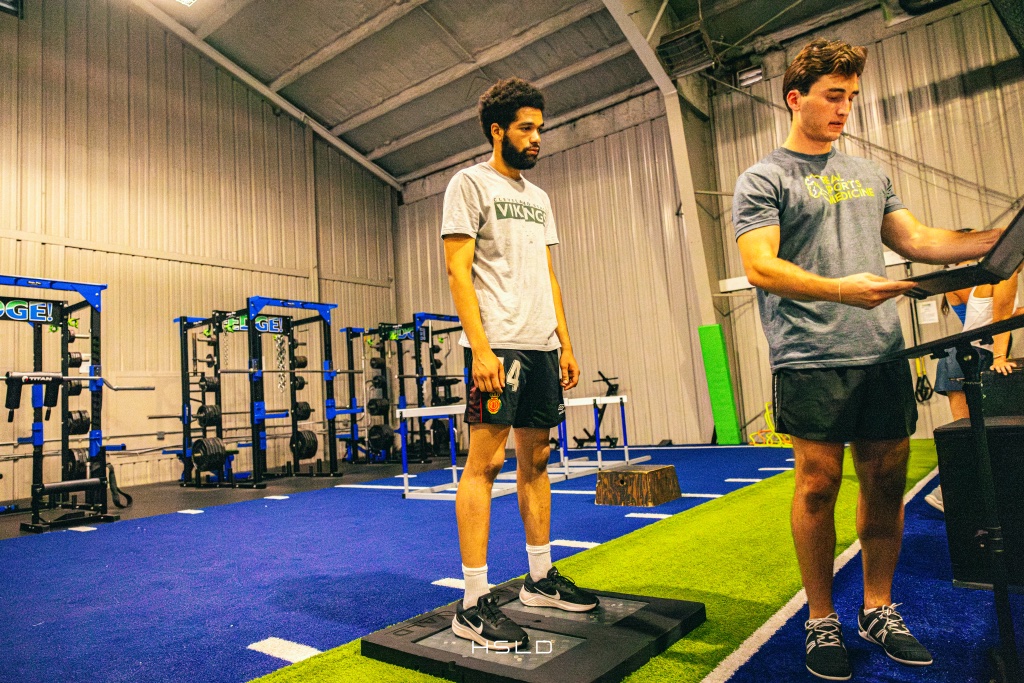
- ✓Focus: Advanced drills, mental preparation, and sport-specific readiness testing
- ✓We use objective tests to determine if it's safe to return — preventing re-injury is our top priority
- ✓Key Milestones: Confidence, performance readiness, psychological readiness
Mental Recovery Is Just as Important
Fear of re-injury is real. That's why we include mental coaching, goal-setting, and visualization techniques in our ACL recovery plans. Building trust in your knee again takes time, and we're here to help you get there.
Final Thoughts: Don't Let an ACL Tear Define You
An ACL injury is a detour — not a dead end. With the right guidance, the right mindset, and a clear plan, you can recover fully and even come back stronger. We're currently offering free 30-minute Discovery Visits to help you explore your options. No pressure. No obligation.
READY TO START?
Book a Free Discovery Visit
30 minutes. No pressure. Just expert guidance to set you on the right path.
CONTACT US